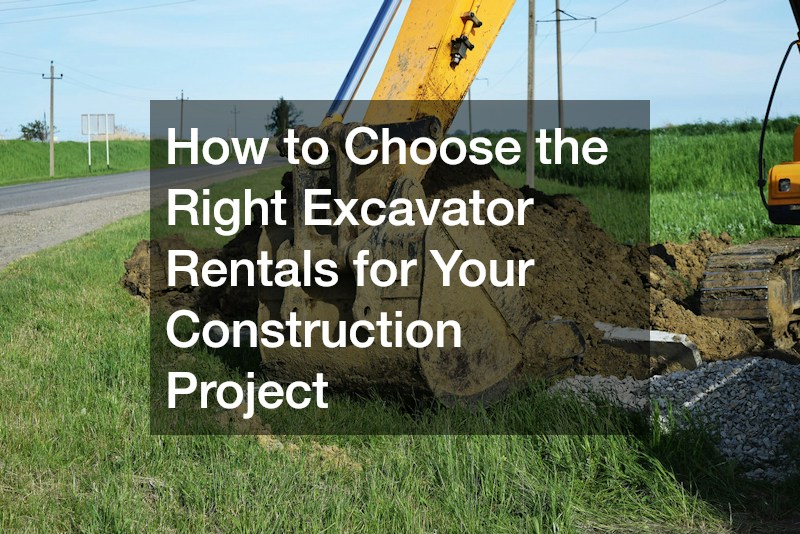
Choosing the right excavator rentals is crucial for the success of your construction project. With numerous options available, it’s essential to know your specific needs and the machinery that can fulfill them. From understanding the various sizes to selecting the type suited to your tasks, each decision impacts the project’s progress and efficiency.
This article will guide you through the essential considerations and questions when selecting an excavator rental. By the end, you’ll be equipped to make informed choices that benefit your project outcomes.
1. What Size Excavator Rental Do I Need?
1.1 Determining the Right Size for Your Project
The size of the excavator you need greatly depends on the scale and scope of your construction project. Mini excavators are perfect for small to medium projects where accessibility and maneuverability are crucial, such as residential landscaping or site preparation. Medium excavators, which are more robust, can handle larger tasks effectively, such as digging foundations or trenching. Finally, large excavators are suitable for heavy-duty tasks like demolition and major earthworks, providing the power and reach needed. Choosing the right size not only ensures efficiency but also influences the rental cost, making it vital to assess project requirements against equipment capabilities.
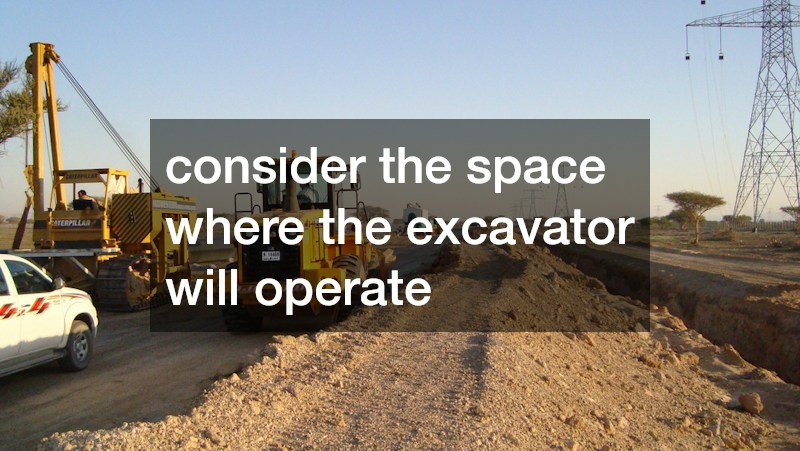
When assessing size requirements, consider the space where the excavator will operate. Confined spaces in urban construction sites can restrict the use of larger machinery, necessitating smaller, more agile equipment. Also, the volume of material to be moved or dug greatly influences the size choice; larger projects with significant earth-moving needs naturally lean towards bigger excavators. Additionally, the terrain type can determine size needs, as hilly or uneven ground can present challenges for large machinery. Assess all these factors to determine the ideal excavator size for your project effectively.
Besides project scope and site constraints, integrating future project expansions into your planning is practical. If there’s potential for scaling up, it can be cost-effective to rent a slightly larger excavator from the outset. This reduces the need for swapping equipment mid-project, thus saving time and additional rental costs. Another factor to consider is the weight limits of the job site, particularly if the site has weak or special ground conditions, which can restrict certain sizes. By evaluating these elements, you can align your plans with an optimal excavator rental choice.
2. What Type of Excavator is Best Suited for My Task?
2.1 Comparing Different Types of Excavators
Excavator rentals offer a variety of types tailored to specific tasks, enhancing construction workflow efficiency. Standard crawlers are versatile, providing robust performance for general digging, lifting, and trenching tasks. For tight spaces, a compact or mini-excavator is a smart choice, combining agility and accessibility without losing power where it counts. If the focus is on long-reach capabilities, a long-arm excavator can handle tasks that require an extended working range, perfect for reaching across wide trenches or demolishing multi-story buildings. Knowing the task at hand will help you select an appropriate unit, optimizing project outcomes.
Hydraulic excavators bring versatility with attachments allowing execution of varied tasks such as breaking, drilling, and earth-moving. Their flexibility extends beyond traditional digging roles, benefiting projects with multifaceted demands by switching out attachments as necessary. Conversely, suction excavators offer high precision, utilizing air pressure to safely dislodge and remove soil and debris, ideal for projects involving delicate underground infrastructure. Furthermore, choosing specialized extractors for mining or industrial use enhances safety and efficiency through purpose-built designs. Understanding these distinct types facilitates pinpointing the right equipment for specialized tasks.
An excavator’s suitability extends to its adaptability for site-specific conditions. Wheeled excavators, for example, are apt for work on paved surfaces and terrain that doesn’t require the traction offered by tracks, thus preserving the landscape during operation. For rugged, uneven sites where stability is critical, reverting to tracked variants ensures ground engagement and consistent performance. Moreover, amphibious units exist for projects involving marshlands or waterlogged environments, ensuring reach and operability in otherwise challenging conditions. Each of these aspects rounds out the consideration process, letting you choose equipment ideally aligning with task and site nuances.
3. How Do I Evaluate Rental Costs and Terms?
3.1 Analyzing Cost and Agreement Details
Evaluating the total rental costs involves more than just the daily rates; understanding all associated expenses can prevent unexpected financial burdens. It’s crucial to factor in transportation costs, as delivery and pick-up fees add to overall expenses, especially for larger machinery. Pay attention to fuel consumption projections, since fuel efficiency varies between models and can significantly affect the project’s operational costs. Also, maintenance fees, covering wear and tear responsibilities, should be clear in the rental terms to avoid extra charges. So, comprehensive cost analysis ensures project budgets remain manageable and transparent.
The rental contract terms are pivotal, dictating the operational flexibility and potential for use extensions. Examine any penalties or surcharges associated with project runover, which can augment expenses if timelines shift unexpectedly. Be aware of binding clauses that could inhibit operational changes, particularly if sudden equipment swaps are needed. Foresight into these details allows for strategizing and securing financially sound agreements. Engage in open discussions with rental providers to clarify these terms, aligning contractual obligations with strategic project management needs.
Observation of insurance coverage as described in rental agreements provides a safety net for protection against unpredictable damages. A clear understanding of liability mitigates risks, ensuring equipment repairs or losses don’t fall squarely against project funds. However, scrutinizing which party carries what insurance can prevent post-incident disputes, indicating needful areas for project insurance patch-ups. Additionally, consider the potential for negotiating rental terms, such as discounted long-term rentals that balance cost-efficiency with project duration requirements. By delicately balancing these considerations, you set the stage for renting excavators that mesh well with your financial strategy
By considering the size, type, and rental terms of excavators, you can make informed decisions for your construction project’s equipment needs, ensuring success and efficiency. Whether it’s selecting the right size to maximize productivity, choosing the type that best aligns with your project’s specifics, or scrutinizing the rental agreement for ultimate cost-effectiveness, each decision factor significantly steers project outcomes. Thoughtful preparation and informed choices lead to efficient project execution, protecting your timeline and budget. Investing time in evaluating excavator rentals translates to smoother operations and successful project delivery. Equip yourself with the knowledge shared and drive your projects with confidence and assured machinery alignment.